
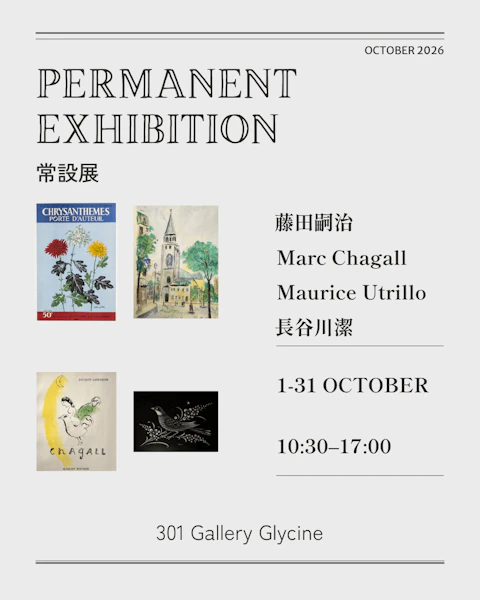
 Permanent Exhibition
 Seeing Foujita’s Six Ceiling Paintings
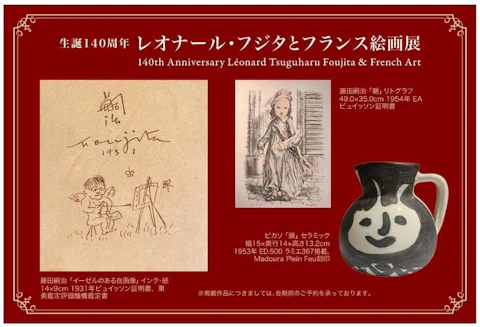 140th Anniversary: Léonard Tsuguharu Foujita & French Art
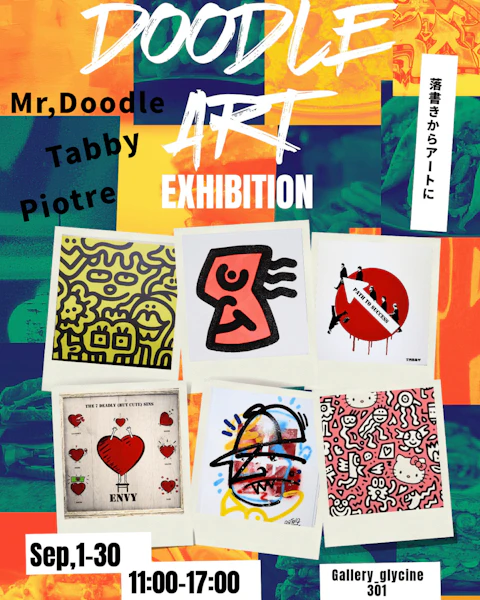 DOODLE ART EXHIBITION – From Doodles to Art
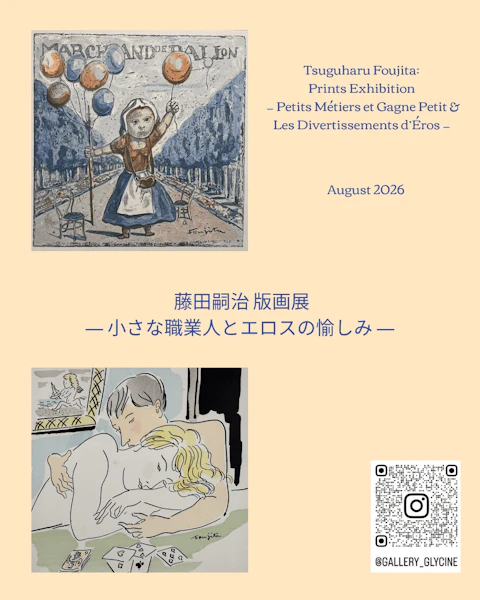 Foujita Prints – Petits Métiers et Gagne Petit & Les Divertissements d’Éros
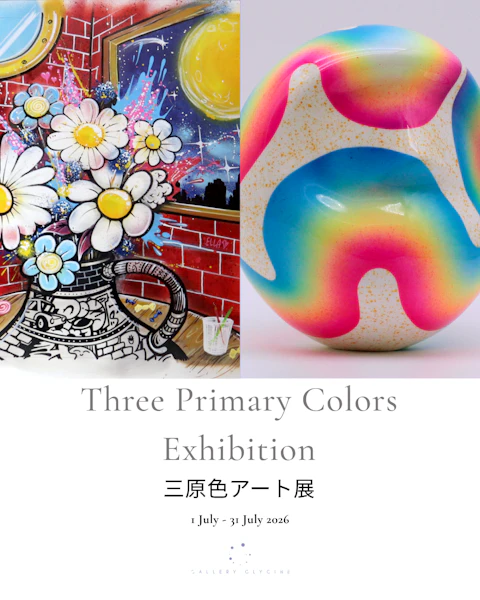 Primary Colours Exhibition, 1–31 July 2026
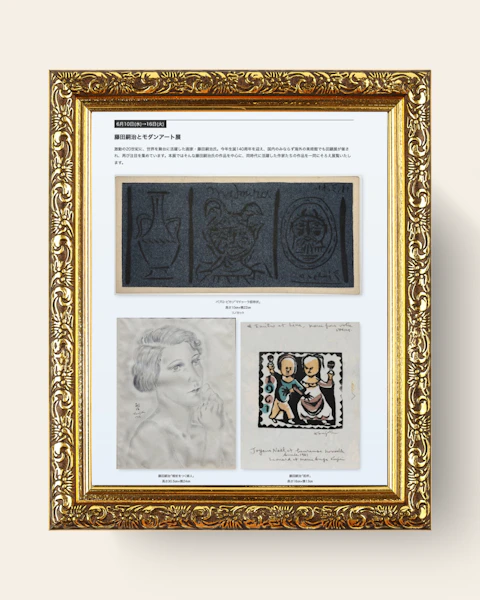 Léonard Tsuguharu Foujita and Modern Art
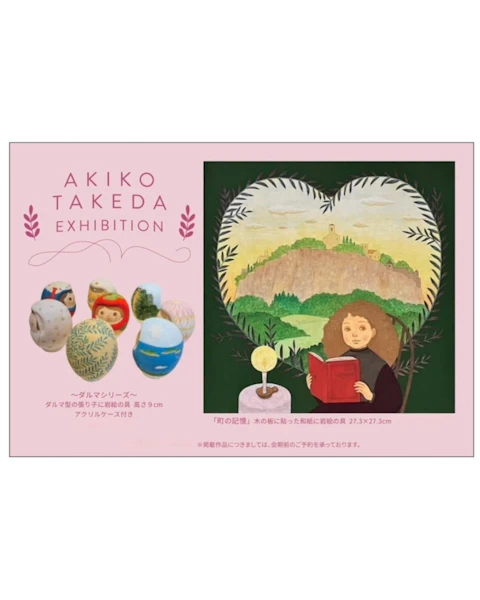 Akiko Takeda Exhibition
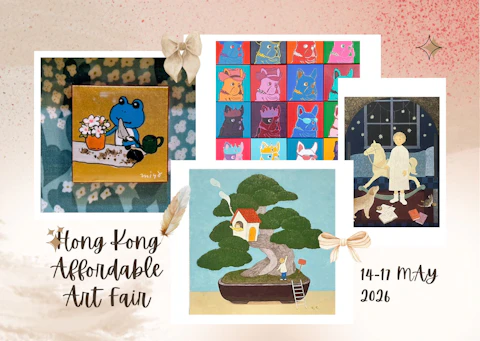 Affordable Art Fair Hong Kong, Thu 14 – Sun 17 May 2026
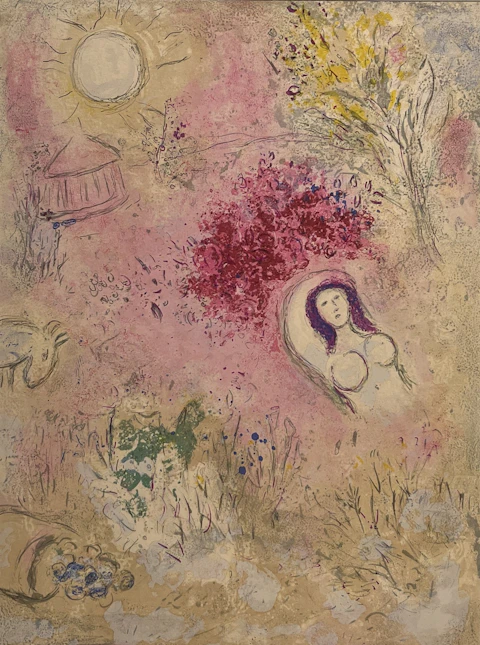 Marc Chagall, “Daphnis and Chloé”
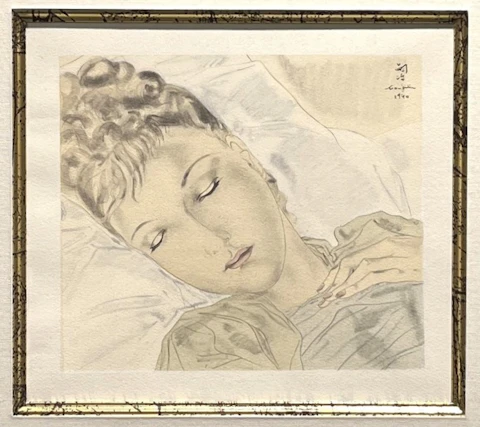 Léonard Tsuguharu Foujita, “Combat avec l’image”
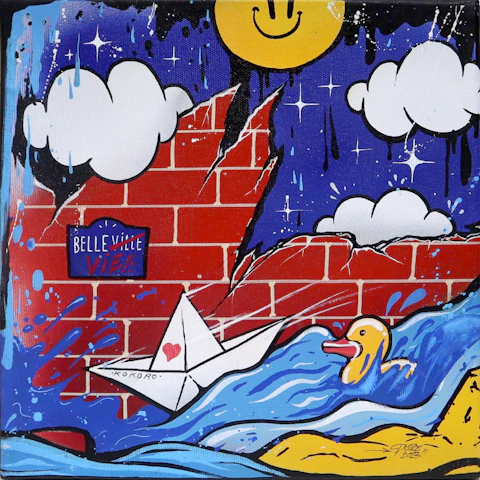 Piotre, “Au-delà du mur”
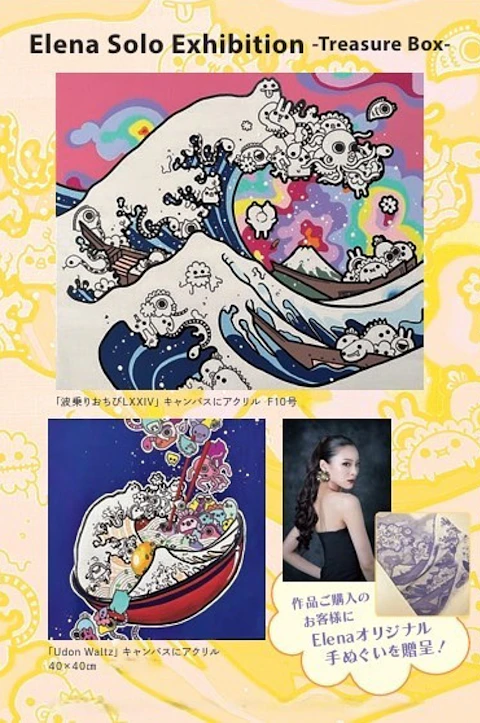 Elena: Treasure Box, Wed 18 – Mon 23 March 2026
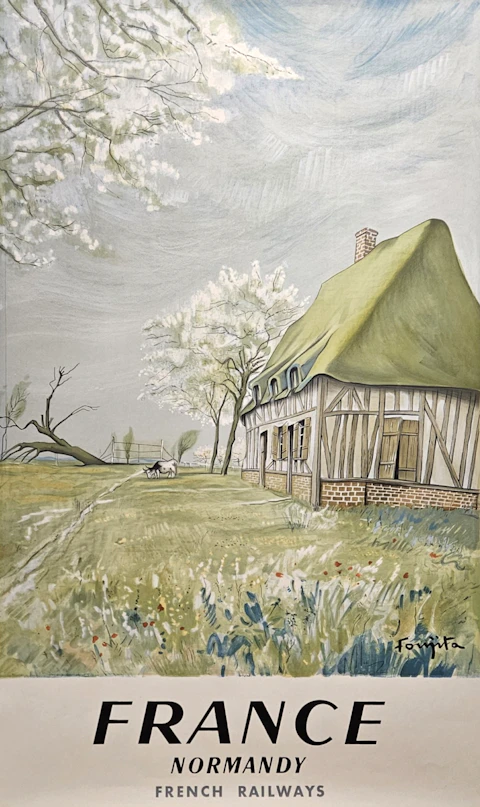 Léonard Tsuguharu Foujita, “Normandie”
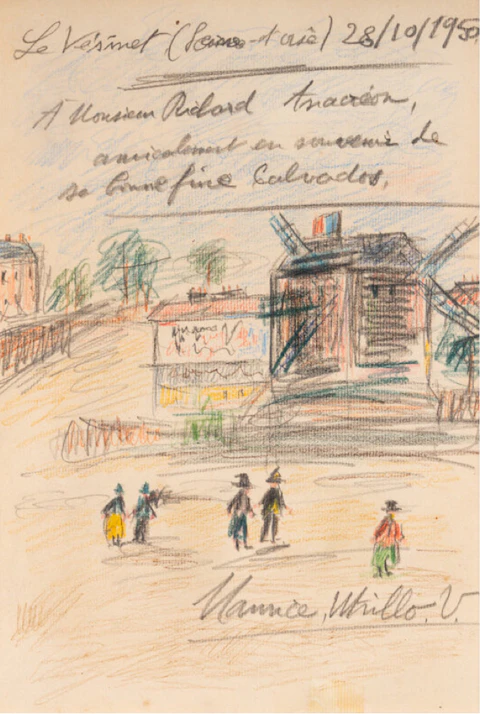 Maurice Utrillo, “Moulin de la Galette”
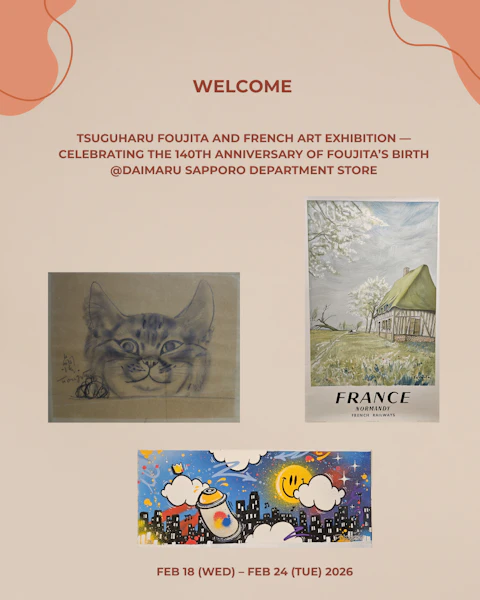 140th Anniversary: Léonard Tsuguharu Foujita & French Art, Wed 18 – Tue 24 February 2026
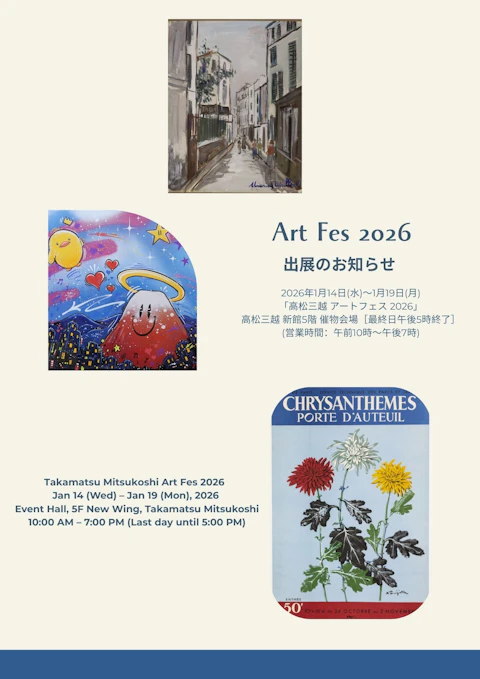 Art Fes 2026, Wed 14 – Mon 19 January 2026
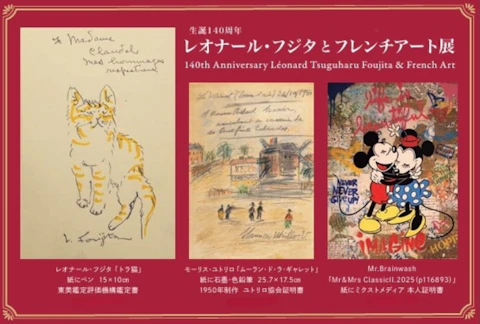 140th Anniversary: Léonard Tsuguharu Foujita & French Art, Wed 29 October – Mon 3 November 2025
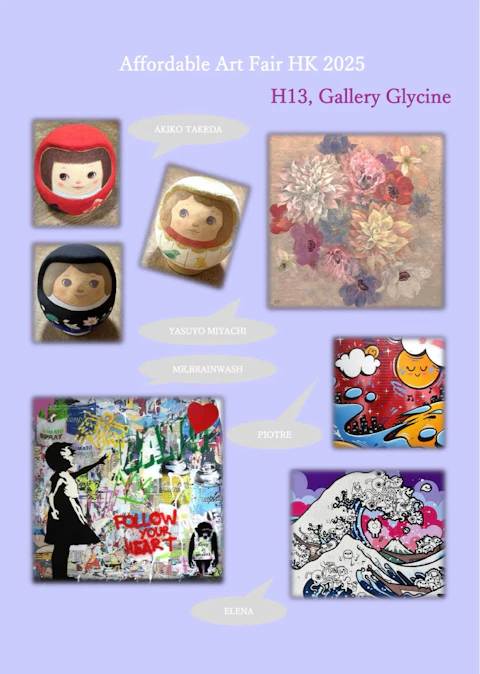 Affordable Art Fair Hong Kong, Thu 22 – Sun 25 May 2025
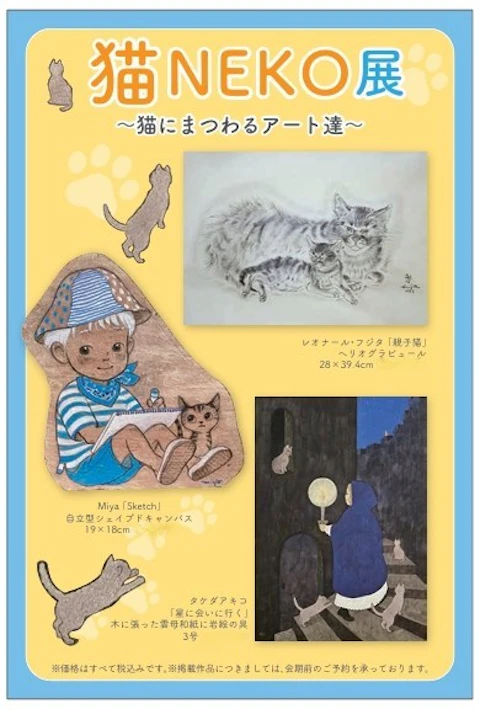 NEKO NEKO Exhibition, Wed 19 – Tue 25 February 2025
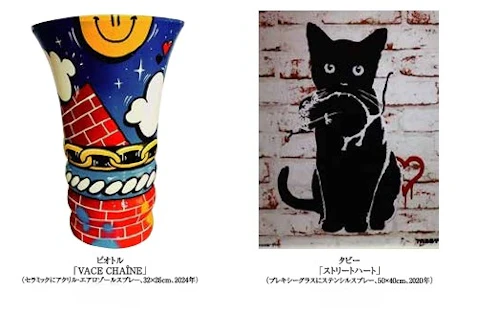 Art Fes 2025, Wed 15 – Mon 20 January 2025
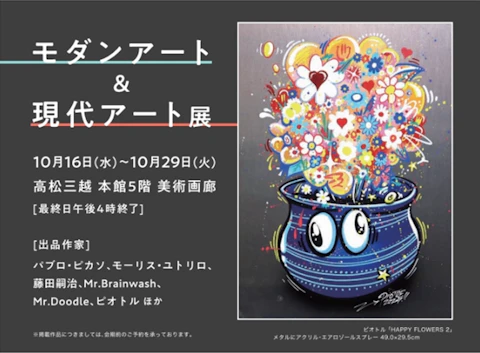 Modern & Contemporary Art Exhibition, Wed 16 – Tue 29 October 2024
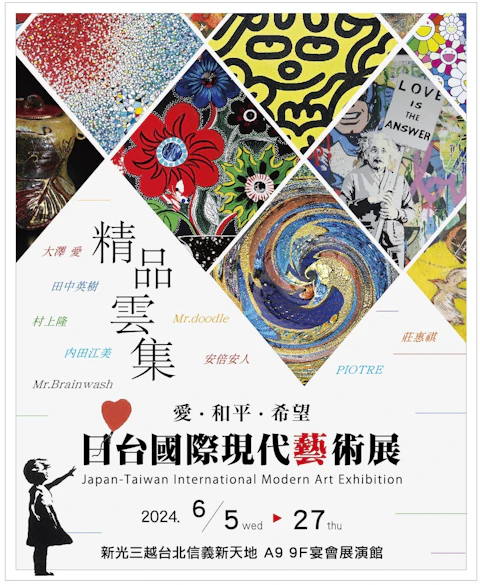 Japan–Taiwan International Modern Art Exhibition, Wed 5 – Thu 27 June 2024
Seeing Foujita’s Six Ceiling Paintings
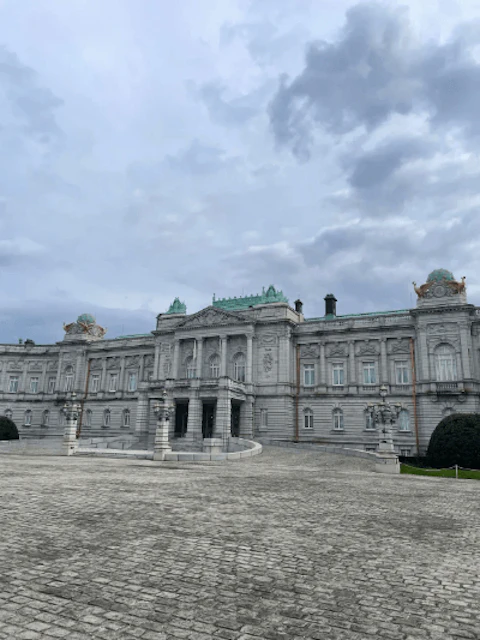
Visit to the State Guest House, Akasaka Palace, in Tokyo.
The highlight was seeing six oil paintings by Tsuguharu Foujita, created in 1935 (Showa 10) as ceiling decorations for the second-floor salon of Colombin, a well-known Western-style confectionery shop in Ginza.
In 2026, to commemorate the 140th anniversary of Tsuguharu Foujita’s birth, these works are being specially displayed until September 15.
The six paintings were evacuated and kept in storage during the war, and were later donated to the State Guest House in 1974 (Showa 49).
All six paintings are impressive in scale, each measuring approximately 130 Japanese-size painting boards (about 1,540 × 2,110 mm). They depict scenes of French life during the 18th century, in the style of the French court under the Bourbon monarchy, and are truly remarkable works.
Of course, the paintings themselves are fascinating, but what makes them especially intriguing is the long journey they have taken through history.
During the war, Foujita returned to Japan and produced paintings depicting the war.
After the war, he faced severe criticism over his involvement in war-related art and eventually left Japan.
It is deeply moving to consider that these works were created by Foujita in Japan before the Second World War, and that they are now housed in the State Guest House, a place where distinguished guests from around the world are welcomed.
Knowing this creates a curious mixture of emotions—something unexpected, and at the same time deeply moving.
Foujita himself left Japan and never returned.
Yet some of the works he left behind in Japan have survived the passage of time and remain here today.
When considering how these paintings have traveled through more than 90 years of history, looking at a work of art begins to feel like more than simply seeing what has been painted.
Where was the work created? Who appreciated it? What kind of times did it pass through? And why has it come to be here today?
Thinking about these questions while looking at a work can reveal something entirely different.
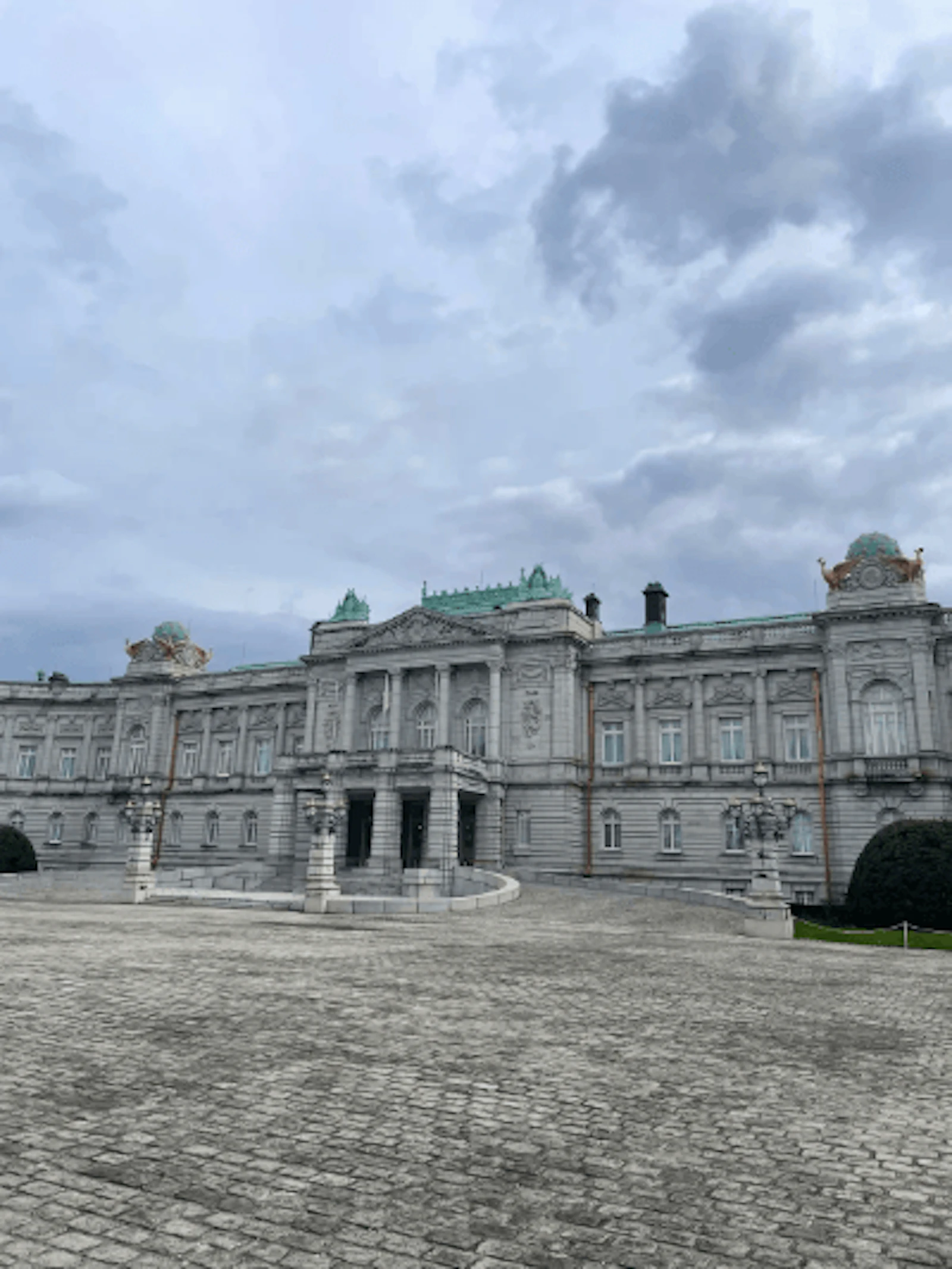
Unfortunately, photography is not permitted inside the State Guest House, so there are no photographs of the paintings to share here.
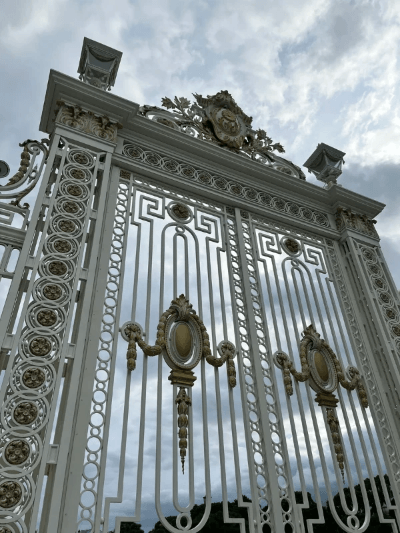
Instead, photographs of the beautiful building and its gates have been included.
Simply standing there, knowing that Foujita’s six paintings are preserved in this place, made the visit feel like a particularly special moment.
Special Viewing at the State Guest House, Akasaka Palace, Tokyo
Commemorating the 140th Anniversary of Tsuguharu Foujita’s Birth
West Entrance: Woman Holding a Dog and Musician
West Entrance: Woman in a Vineyard
Hall of Flowers and Birds: Lady and Maid
Hall of Flowers and Birds: Woman and Musician in a Poplar-lined Landscape
East Entrance: Woman and Angel
East Entrance: Mother and Daughter